
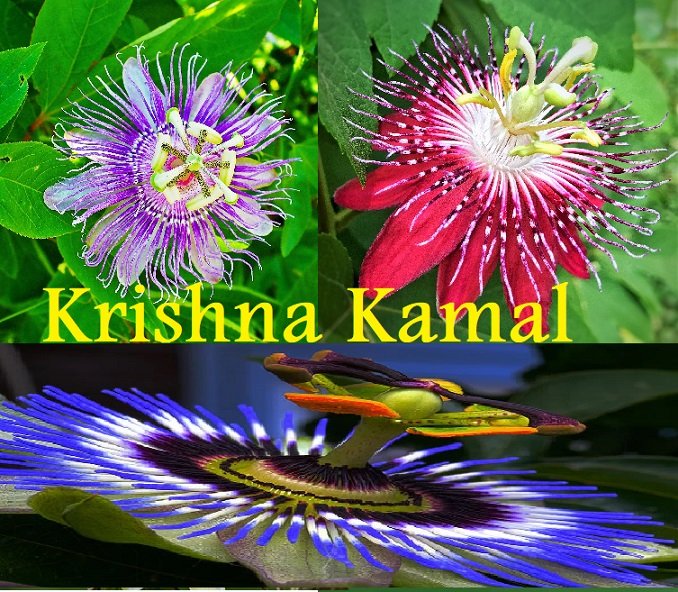
Krishna Kamal: The Divine and Enchanting Flower of Lord Krishna
The Krishna Kamal (moreover known as the Passion Flower) is not just a botanical wonder but additionally a sacred and religious image deeply rooted in Indian mythology. Scientifically called Passiflora incarnata or Passiflora caerulea, this particular flower is nicely-favored for its captivating shape, divine affiliation with Lord Krishna, and its giant style of medicinal and ornamental makes use of.
From ancient scriptures to trendy gardens, Krishna Kamal maintains to enchant devotees and nature fans alike. In this complete manual, we’ll explore its that means, symbolism, non secular connection, health advantages, developing hints, and more.
What is Krishna Kamal Flower?
The Krishna Kamal flower is a member of the Passifloraceae own family, local to South America however extensively cultivated in India for its beauty and non secular significance. Its complex layout and colourful colour combos make it stand out among different flowers.
The flower’s structure has symbolic interpretations in Hindu mythology—every a part of the flower is thought to symbolize an element from Lord Krishna’s life and the incredible Mahabharata.
Scientific Classification of Krishna Kamal
| Scientific Information | Details |
|---|---|
| Common Name | Krishna Kamal / Passion Flower |
| Scientific Name | Passiflora incarnata / Passiflora caerulea |
| Family | Passifloraceae |
| Native Region | South America (widely grown in India) |
| Plant Type | Perennial climbing vine |
| Flower Color | Blue, purple, white |
| Blooming Season | Summer to early winter |
| Religious Significance | Associated with Lord Krishna |
| Medicinal Use | Reduces anxiety, insomnia, and stress |
| Lifespan | 3–5 years (with proper care) |
Mythological and Spiritual Significance of Krishna Kamal
In Hindu manner of lifestyles, Krishna Kamal holds a sacred vicinity. According to mythology, every part of the flower represents a particular element of Lord Krishna’s life and the Mahabharata warfare.
Symbolism According to Hindu Beliefs:
- 10 Outer Petals – Represent the 10 avatars of Lord Vishnu, consisting of Krishna himself.
- Corona Filaments – Symbolize the thousand heads of Sheshnag (the divine serpent).
- Three Styles on the Center – Depict the 3 prongs of Lord Shiva’s trishul, symbolizing advent, upkeep, and destruction.
- Five Stamens – Represent the 5 Pandavas from the Mahabharata.
- Radial Pattern – Reflects the Sudharshan Chakra of Lord Krishna.
- Blue and White Color Combination – Signifies peace and divinity.
This stunning combination of religious symbolism and herbal beauty makes the Krishna Kamal flower a dwelling expression of religion and devotion.
Medicinal and Health Benefits of Krishna Kamal
Beyond its religious attraction, the Krishna Kamal flower is likewise regarded for its therapeutic and medicinal blessings. Ancient Ayurvedic practitioners and modern-day herbalists use it to cope with severa illnesses.
Top Health Benefits:
- Relieves Stress and Anxiety
- The flower has natural sedative houses.
- Used in natural teas and dietary supplements to calm the mind.
- Promotes Better Sleep
- Its compounds help treat insomnia and improve sleep awesome.
- Supports Heart Health
- Helps lower blood stress and improve motion.
- Reduces Inflammation
- Has anti inflammatory homes that relieve pain and swelling.
- Improves Digestion
- Used in traditional remedy to treat indigestion and belly troubles.
- Helps with Menstrual Disorders
- Eases cramps and helps hormonal balance.
Medicinal Properties of Krishna Kamal
| Property | Health Benefit |
|---|---|
| Sedative | Helps in relaxation and reducing anxiety |
| Antioxidant | Protects cells from oxidative stress |
| Anti-inflammatory | Reduces pain and swelling |
| Antispasmodic | Relieves muscle cramps and tension |
| Hypotensive | Lowers blood pressure |
| Antidepressant | Improves mood and reduces depression symptoms |
Krishna Kamal Flower in Ayurveda
In Ayurvedic remedy, Krishna Kamal (referred to as Pashanbheda or Mayur Kamal in a few regions) is classified as a “Tridosha pacifier”, which means it permits balance Vata, Pitta, and Kapha doshas.
Ayurvedic Uses:
- Treating mental fatigue and restlessness
- Improving sleep cycle
- Alleviating nerve ache and complications
- Supporting usual emotional well-being
It is generally utilized in Ayurvedic teas, powders, and extracts for selling intellectual readability and peace.
How to Grow Krishna Kamal Flower at Home
The Krishna Kamal plant is quite easy to increase and preserve, making it an first-rate choice for domestic gardens and balconies. It flourishes in tropical and subtropical climates.
Step-via-Step Guide to Growing Krishna Kamal:
1. Choosing the Right Soil
- Use well-draining soil wealthy in natural count.
- A mix of garden soil, compost, and sand works exceptional.
2. Sunlight Requirements
- Needs 6–8 hours of direct daylight every day.
- Partial coloration is likewise applicable in extraordinarily warm regions.
3. Watering Schedule
- Water often, however avoid waterlogging.
- Keep the soil slightly moist.
4. Fertilization
- Use natural fertilizer or compost each 2–3 weeks at some stage inside the growing season.
5. Temperature Range
- Ideal temperature: 20°C to 30°C.
- Protect from frost and immoderate bloodless.
6. Pruning and Training
- Trim regularly to inspire flowering and control vine boom.
- Support the plant with a trellis or wire mesh.
Growing Tips for Beginners
| Aspect | Recommendation |
|---|---|
| Soil Type | Loamy, well-drained |
| Watering | Moderate; keep soil moist |
| Sunlight | Full to partial sunlight |
| Fertilizer | Organic compost or bio-fertilizer |
| Common Pests | Aphids, mealybugs, whiteflies |
| Pruning | After flowering season |
| Propagation | Through seeds or stem cuttings |
Varieties of Krishna Kamal Flower
There are over 500 species of the Passiflora family, but a few stand out for their ornamental and religious cost in India.
Popular Krishna Kamal Varieties:
- Passiflora incarnata – Common red passionflower applied in Ayurveda.
- Passiflora caerulea – Blue passionflower, often linked with Lord Krishna.
- Passiflora edulis – Grown for its suit to be eaten fruit, known as ardour fruit.
- Passiflora alata – Known for its huge pink plant life and fragrance.
Each variety has its very own beauty and cause, beginning from non secular symbolism to medicinal programs.
Krishna Kamal and Passion Fruit Connection
Interestingly, the Krishna Kamal flower is also related to the Passion Fruit plant, which produces a delicious and nutrient-wealthy fruit. This fruit is broadly ate up for its immoderate vitamin C, fiber, and antioxidant content cloth.
Benefits of Passion Fruit:
- Boosts immunity
- Improves digestion
- Supports coronary heart fitness
- Reduces levels of cholesterol
So, growing a Krishna Kamal plant no longer only brings divine beauty however also can yield wholesome cease end result in superb species!
Krishna Kamal in Indian Temples and Rituals
In many Indian temples, Krishna Kamal flora are presented to Lord Vishnu and Lord Krishna at some point of specific pujas and fairs like Janmashtami. The flower is thought to deliver peace, devotion, and prosperity to families.
Many devotees moreover plant Krishna Kamal vines in temple gardens, symbolizing religious purity and divine power.
Environmental Importance of Krishna Kamal
Apart from its medicinal and religious makes use of, the Krishna Kamal plant contributes surely to the environment.
- Attracts pollinators at the side of bees and butterflies.
- Improves air best by means of growing oxygen ranges.
- Prevents soil erosion whilst planted as ground cowl.
- Adds aesthetic beauty to gardens and urban landscapes.
Interesting Facts approximately Krishna Kamal
| Fact | Details |
|---|---|
| Origin | Native to South America, but widely naturalized in India |
| Symbolism | Represents Lord Krishna’s divine presence |
| Bloom Duration | Each flower lasts only 1–2 days |
| Fragrance | Mild and soothing |
| Fruit | Known as Passion Fruit (in some species) |
| Religious Use | Offered to Lord Vishnu and Krishna |
| Ayurvedic Importance | Used to calm the mind and reduce anxiety |
Krishna Kamal in Modern Herbal Medicine
Modern natural remedy maintains to discover the flower’s natural compounds including flavonoids, alkaloids, and glycosides, which make contributions to its therapeutic homes. It is normally determined in:
- Herbal teas (for anxiety consolation)
- Sleep aid capsules
- Tinctures and extracts
- Essential oils
These products are gaining popularity in herbal well-being markets international.
🪷 Conclusion: The Symbol of Divinity and Serenity
The Krishna Kamal flower tremendously bridges the worlds of nature, spirituality, and technological information. Its specific format narrates reminiscences of Lord Krishna, even as its medicinal homes heal the frame and thoughts. From temple services to home gardens, this flower is still a image of devotion, purity, and tranquility.
Planting Krishna Kamal at domestic no longer simplest complements the beauty of your surroundings but additionally invites super electricity, intellectual peace, and non secular balance.
🧘♂️ Quick Recap Table
| Aspect | Details |
|---|---|
| Symbolic Meaning | Represents Lord Krishna and elements of Mahabharata |
| Scientific Name | Passiflora incarnata |
| Uses | Medicinal, ornamental, spiritual |
| Benefits | Reduces stress, promotes sleep, supports heart health |
| Ideal Growing Conditions | Tropical climate, well-drained soil, full sunlight |
| Religious Use | Offered to Lord Krishna during Janmashtami |
| Ayurvedic Benefit | Calms mind and body |