
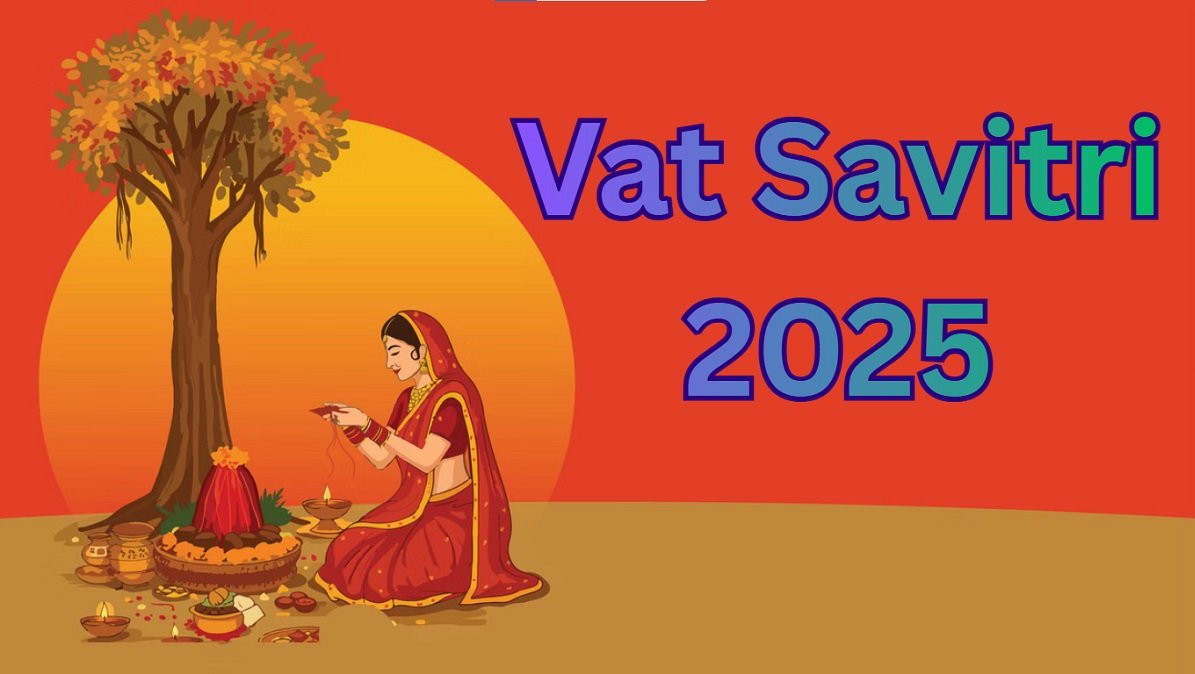
Vat Savitri 2025 – A Complete Guide to the Sacred Vrat
The pageant of Vat Savitri 2025 Vrat (also recognized in a few areas as Vat Purnima Vrat) is a deeply respected observance in Hindu way of life, particularly among married ladies who rapid and carry out unique prayers for the sturdiness, health and prosperity of their husbands. The yr 2025 is not any exception: this observance falls on dates depending at the regional lunar calendar in use. In this guide, we cover the date(s), tithi (lunar day), significance, the ancient legend at the back of it, the designated ritual (puja & rapid) vidhi, local variations, preparations, and answer common questions.
1. Date & Muhurat for Vat Savitri 2025
Key Dates
| Region / Calendar Type | Date in 2025 | Tithi (Lunar Day) | Muhurat / Notes |
|---|---|---|---|
| North India / Purnimanta calendar | Monday, 26 May 2025 | Jyeshtha Amavasya (new-moon) begins 12:11 PM on 26 May, ends 08:31 AM on 27 May. | Observed by many in UP, Bihar, Madhya Pradesh, Haryana etc. |
| Western / Southern India / Amanta calendar | Tuesday, 10 June 2025 | Jyeshtha Purnima (full-moon) begins 11:35 AM on 10 June, ends 1:13 PM on 11 June. | Known as Vat Purnima in Maharashtra, Gujarat, some southern states. |
Why Two Dates?
The cause for the two observance dates lies within the use of unique lunar calendar systems:
- The Purnimanta calendar (used in many northern states) considers the month to quit with the entire moon, therefore the brand new moon (Amavasya) of Jyeshtha month is the day of observance.
- The Amanta calendar (used in Maharashtra, Gujarat, and plenty of southern states) considers the month to give up with the brand new moon, so the overall moon day (Purnima) will become the observance date – resulting in what is referred to as Vat Purnima.
Thus, in 2025, ladies in unique areas will examine the identical underlying vrata at distinct lunar moments, however the spirit, legend and rituals stay the equal.
Important Timings (Sample)
For 2025:
- Amavasya Tithi (Purnimanta) starts offevolved: 12:11 PM on 26 May.
- Amavasya Tithi ends: 08:31 AM on 27 May.
- Purnima Tithi (Amanta) starts offevolved: 11:35 AM on 10 June.
- Purnima Tithi ends: 1:13 PM on 11 June.
Women might also align their puja & fasting to these tithi-boundaries for full religious blessings.
2. Significance of Vat Savitri Vrat
Mythological Legend
The vrata is in detail related to the legendary tale of Savitri and Satyavan, as stated inside the epic Mahabharata (Vana Parva bankruptcy) and various Purāṇas.
According to the legend, Savitri, a dedicated and wise spouse, refused to part along with her husband Satyavan while he become destined to die. She observed Yama, the god of dying, engaged him in communicate, and thru her devotion and clever reasoning, earned back her husband’s lifestyles. For this motive, she is a image of unwavering devotion, marital fidelity, strength, and non secular strength.
Symbolism of the Banyan Tree (Vat / Vata)
- The phrase “Vat” refers to the banyan tree (Ficus benghalensis), that is regarded as one of the maximum sacred timber in Hindu culture — a image of longevity, stability, safe haven and the Trinity (Brahma-Vishnu-Mahesh).
- On at the present time, women worship the Banyan tree to invoke its attributes for his or her husband’s lengthy lifestyles. Spending time around the tree, circling it, tying threads, imparting prayers—all signify their hopes for marital enduringness.
Why Married Women Observe It
Married Hindu women study this vrat for:
- The lengthy lifestyles, health and well being in their husbands.
- Harmony, prosperity and religious cohesion of their married life.
- Emulating Savitri’s devotion and strength, thereby reinforcing marital fidelity and non secular willpower.
Broader Cultural Importance
- The vrat reinforces the value of mutual recognize, sacrifice, persistence and religious existence inside marriage.
- It additionally creates community gatherings: women congregate underneath banyan bushes, percentage vrat-katha, perform pujas together, thereby reinforcing social bonds.
- The pageant gives significance to nature (the Banyan tree) and integrates eco-spiritual values.
3. Rituals & Puja Vidhi (Pooja Procedure)
Here is an in depth breakdown of how Vat Savitri Vrat is normally located through married women, along side the gadgets wished, ritual steps, prayers and speedy pointers.
Preparations – Items & Setup
Items needed:
- A easy courtyard or open area underneath/close to a Banyan tree (Vat Vriksha) or sapling.
- Red or yellow garments (many women put on conventional sari in auspicious colour; pink is famous).
- Turmeric (haldi), vermilion (kumkum), akshata (rice covered with turmeric), plants, end result, candies.
- Thread (cotton or silk), often used for tying around the tree.
- Lamps (diya), incense, water, sandalwood paste.
- A photo or small idol of Goddess Savitri (optionally available) and offerings to her.
- A vessel to accumulate water (for tree-worship) and a small seat/material for reciting the katha.
Puja Vidhi (Step-by-Step)
- Early Morning Bath & Cleanliness: Wake early (well earlier than dawn if viable), take a bathtub and wear clean traditional clothes (often new or easy sari). Many observe the vrat with full frame purification.
- Sankalpa (Resolve): Take the vow of the vat-savitri vrat: clear up mentally to speedy and worship in your husband’s lengthy lifestyles, prosperity and marital bliss.
- Approach the Banyan Tree: Go to the banyan tree (or a designated tree/sapling) with all the objects. Circumambulate (stroll round) the tree 3 instances (or extra as local customs dictate). While taking walks, tie the sacred thread across the trunk or branch of the banyan. Offer akshata, flora and vermilion on the roots or small shrine close to the tree.
- Puja:
- Light the diya, incense; follow sandalwood paste to tree trunk if allowed.
- Offer end result, chocolates, leaves, vegetation at the tree’s roots.
- Recite the tale (Vrat Katha) of Savitri and Satyavan. Many girls acquire in businesses to pay attention or study the katha.
- Offer prayers to Goddess Savitri and pray for husband’s sturdiness.
- Optionally, offer meals (bhog) and distribute prasad amongst women members.
- Fast (Vrat) Rules:
- Many women have a look at a strict fast from sunrise as much as the give up of tithi, regularly warding off meals and water (or proscribing to mild fasting meals) relying on private capacity.
- Some may look at a partial fast (most effective fruits and milk) specially if full speedy is tough.
- Breaking the Fast: After the puja and after the belief of tithi (or while proper time arrives), one may also destroy the quick, offer meals to the husband/family and partake in a meal.
- Community Aspect: In many locations, girls gather round a big banyan tree in a park or temple-compound, perform the ritual collectively, concentrate to katha, tie threads, share prasad and sweets.
Special Notes & Tips
- It is auspicious to finish the vrat and puja in the tithi boundary (begin of tithi to its stop) for full non secular advantage.
- If you cannot reach an old banyan tree, you may adopt a younger sapling or do the puja under any specific tree as symbolic.
- The attire: purple or shiny colors are desired; married women occasionally put on their bridal or favourite sari for the event.
- Keep the atmosphere solemn but devotional—tune, gatherings, katha-periods beautify the religious mood.
- It is ideal to keep away from bad mind, talk kindly, preserve calm, due to the fact this day is set devotion, religion and purity.
4. The Vrat Katha (Story) in Brief
Here is a concise retelling of the tale that offers the vrat its which means:
Princess Savitri, born of King Ashvapati, married prince Satyavan in spite of a prophecy that he might die within a yr. When the time got here, Yama, the god of dying, got here to assert his soul. Savitri accompanied Yama, refusing to component along with her husband, engaged him in verbal exchange, inspired him with her devotion and knowledge, and step by step persuaded Yama to go back proper of existence to Satyavan. Yama granted her husband’s lifestyles returned in recognition of her steadfast dedication and religious energy.
Since then, married ladies take a look at Vat Savitri Vrat and worship the banyan tree (under whose coloration Savitri is said to have won strength) to symbolically align themselves with Savitri’s virtues of loyalty, intelligence and devotion.
Listening to or analyzing the entire katha is taken into consideration meritorious at the day of the vrat.
5. Regional Variations & Observances
Although the core tale and goal of the vrat are the same, the practice varies by location:
- North & Central India (UP, Bihar, MP, Haryana) generally follow the Purnimanta calendar and study the vrat on Jyeshtha Amavasya (right here: 26 May 2025).
- Western & Southern India (Maharashtra, Gujarat, Goa, Karnataka) follow the Amanta calendar and take a look at it on Jyeshtha Purnima (right here: 10 June 2025) as Vat Purnima.
- Some states can also have mild local variations in puja method, additional regional rituals (e.G., tree-circumambulation in a temple lawn).
- Social gatherings: In sure metropolitan regions, huge banyan bushes in parks become focal points for communal pujas; ladies arrive in corporations, tie threads across the tree, alternate sweets, recite the tale collectively.
- Dress codes might also vary: In Maharashtra, many women wear the traditional 9-yards (Nauvari) sari or six-yards sukali-fashion sari; in North India purple or yellow saris are popular.
6. Table: Quick Summary of Key Facts for Vat Savitri 2025
| Item | Detail |
|---|---|
| Festival Name | Vat Savitri Vrat (also Vat Purnima Vrat) |
| Year | 2025 |
| Dates | 26 May 2025 (Amavasya, North India) & 10 June 2025 (Purnima, West/South India) |
| Tithi Details | Amavasya begins 12:11 PM on 26 May, ends 08:31 AM on 27 May / Purnima begins 11:35 AM on 10 June, ends 1:13 PM on 11 June |
| Purpose | Married women pray for husband’s long life, health, prosperity; emulate Savitri’s devotion |
| Central Legend | Savitri & Satyavan – Savitri’s unwavering devotion brings her husband back to life from Yama (God of Death) |
| Tree Worshipped | Vat (Banyan tree) – symbol of longevity & divine Trinity |
| Key Rituals | Thread tying around tree, circumambulation, puja, katha reading, fast |
| Who Observes | Married Hindu women (most prominently) |
| Regional Variation | Date difference due to lunar calendar systems (Amanta vs Purnimanta) |
| Dress & Colour | Traditional sari (often red/yellow), ceremonial dress, jewellery |
| Preparation | Items: banyan tree, thread, akshata, flowers, fruits, lamp, incense |
| Typical Fasting | Full/partial fast; avoiding food/water till concluding puja time |
| Significance | Marital fidelity, devotion, strength of wife, longevity of husband; nature-worship (tree) |
7. Why This Vrat Matters Today
In the current context, Vat Savitri 2025 Vrat holds relevance past its mythological beginning. Some of the deeper subject matters include:
- Empowerment & Devotion: The tale of Savitri exemplifies internal strength, devotion, ethical courage and intelligence of a woman—not actually passive observance. For ladies these days, this ritual can be an affirmation of intentionality in married lifestyles.
- Marriage as Partnership: While traditionally the emphasis has been on the wife’s prayers for her husband, in modern times it could additionally be regarded as a mutual dedication of recognize, love and wellbeing in marriage.
- Nature & Spirituality: Worship of the banyan tree ties in ecological reverence—recognising a sacred natural image and fostering respect for nature.
- Fasting & Mindfulness: The act of fasting, prayer and area invitations introspection, gratitude and non secular renewal—features useful in busy current lives.
- Cultural Continuity: Observing traditional fasts enables retain cultural identity, communal bonding and inter-generational transmission of values, especially in families a long way from their local regions.
When embraced with an open coronary heart, Vat Savitri Vrat turns into more than a ritual—it will become a meaningful expression of marital unity, spiritual aspiration and cultural richness.
8. Tips for Observing Vat Savitri Vrat
Here are a few realistic guidelines to make your observance clean, significant and memorable:
- Plan beforehand: Since there are two dates, decide your place’s practice or select the date most applicable on your own family.
- Prepare Puja-package early: Gather all items (vegetation, thread, akshata, fruits, chocolates, lamp, incense) the day earlier than so you’re not rushed.
- Select the banyan tree: If an vintage tree isn’t on hand, pick any first rate tree or sapling. Ensure the space is smooth and calm.
- Wear appropriate attire: Many pick a clean sari in red or yellow, symbolising auspiciousness. Jewellery may be light or symbolic.
- Invite organization: Conduct the puja with different married women on your network or own family—it complements devotion, sharing of katha, collective power.
- Stay hydrated and safe: If you’re fasting absolutely, ensure you are wholesome and take care; when you have health problems, remember a partial rapid (milk, fruits) after consulting your health practitioner.
- Respect the tree & surroundings: Don’t damage the tree, keep away from muddle. Offer flora, cloths, but accomplish that mindfully—nature deserves appreciate.
- Reflect on meaning: During the vrat, reflect onconsideration on your conjugal relationship, gratitude on your companion, intentions for destiny years.
- Break the short with prayer: After puja and after the tithi is over, destroy your fast with a small prayer and thank you. Share prasad with circle of relatives.
- Pass the tale on: If there are more youthful individuals (daughters-in-law, nieces, and so forth), narrate the katha of Savitri & Satyavan; this allows transmit tradition and that means.
9. Frequently Asked Questions (FAQs)
Q1. What if I can’t fast the whole day?
If you have fitness troubles or can not do a full fast, you may look at a partial rapid—e.G., eat handiest milk, culmination, or mild meals. The secret is devotion, aim and recognize for the vrat.
Q2. Can unmarried ladies observe Vat Savitri?
Traditionally the vrat is found by way of married Hindu ladies looking for husband’s durability. However, a few single girls may additionally take part inside the puja and the tree-worship component to honour the tale and aspire for a virtuous marital existence. It’s first-rate to comply with regional custom or circle of relatives lifestyle.
Q3. What if I pass over the date?
If you miss the date (for your region) it’s really useful to observe it as soon as possible or be a part of a network puja or as a minimum perform the tree-worship and prayers. Some texts advise even doing it later with devotion is beneficial.
Q4. What are the benefits of the vrat?
While non secular advantages are emphasised—husband’s durability, marital harmony, peace of the circle of relatives—the vrat also fosters area, aware residing, appreciation of marriage and nature-reverence. Full material guarantees are not promised through tradition, but the religion and effort carry inner power.
Q5. Can this vrat be located by a person whose husband has exceeded away?
Traditionally, the vrat is for married ladies with living husbands. In such situations, ladies may additionally still do the puja in reminiscence, or pray for peace of the departed soul, however specific local customs may additionally range. It’s first-rate to consult a local priest.
Q6. Is the banyan tree obligatory?
Yes, the banyan tree (Vat Vriksha) is vital to the ritual because of its symbolic association with devotion, sturdiness and the legend of Savitri. If an old tree isn’t always on hand, a young sapling or any first rate tree may be used symbolically, maintaining devotion in thoughts.
10. Conclusion
Vat Savitri 2025 brings ahead the timeless tale of devotion, strength and marital fidelity. Whether you study it on 26 May or 10 June, relying in your regional calendar, the core is the same: a married woman’s heartfelt vow to her husband’s well-being, her personal non secular boom, and respectful communion with nature through the banyan tree. In nowadays’s rapid-transferring global, this vrat invitations a pause: a second of mirrored image, of gratitude, of aim and ritual.
By preparing mindfully, acting the puja with sincerity, honouring the katha of Savitri, and sharing your devotion with your family/community, you honour an age-antique way of life and spend money on your marital future in a meaningful way.