
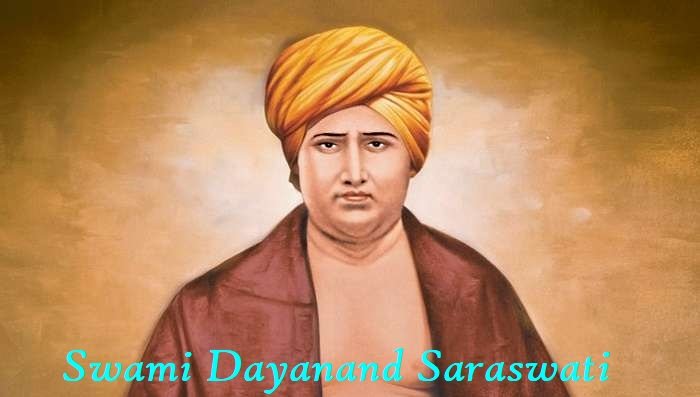

Swami Dayanand Saraswati
Swami Dayanand Saraswati is one of the best non secular and social reformers in Indian records. He devoted his lifestyles to reality, Vedic expertise, social reform, and the upliftment of Indian society. As the founder of the Arya Samaj in 1875, he challenged superstitions, promoted education, adverse caste discrimination, and recommended ladies’s rights and same possibilities for all. His famous paintings, Satyarth Prakash, stays one of the most influential texts in current Hindu philosophy.
This in-intensity article explains his full existence tale, teachings, social reforms, ideals, ideology, books, legacy, and influence on modern-day India.
Let’s start this distinct and Yoast-optimized blog put up.
Table of Important Quick Information about Swami Dayanand Saraswati
Below is a short and essential table summarizing key info:
| Category | Information |
|---|---|
| Full Name | Mool Shankar Tiwari (later Dayanand Saraswati) |
| Birth | 12 February 1824 |
| Birthplace | Tankara, Morbi District, Gujarat |
| Parents | Father: Karshanji Lalji Tiwari; Mother: Yashodabai |
| Religion | Hinduism |
| Known For | Founder of Arya Samaj; Vedic Scholar; Social Reformer |
| Main Teachings | Vedas are the ultimate truth, reject idol worship, equality, education |
| Major Book | Satyarth Prakash (Light of Truth) |
| Movement | Arya Samaj Reform Movement |
| Death | 30 October 1883 (Ajmer, Rajasthan) |
| Age at Death | 59 years |
Who Was Swami Dayanand Saraswati?
Swami Dayanand Saraswati become an Indian logician, reformer, Vedic pupil, yogi, and founder of the Arya Samaj movement. He strongly believed that the unique teachings of the Vedas contained the real essence of Hinduism, and all later distortions or superstitions weakened society. His ideology encouraged Indians to go back to Vedic values like truth, morality, equality, and discipline.
Unlike many saints who centered best on spiritual awakening, Swami Dayanand Saraswati labored toward societal transformation. He recommended human beings to suppose rationally, reject blind beliefs, and comply with truth-based totally ideas.
His message “Back to the Vedas” stays one of the maximum effective reformist statements in Indian records.
Early Life of Swami Dayanand Saraswati (Childhood Story)
Swami Dayanand Saraswati was born as Mool Shankar Tiwari in an orthodox Brahmin circle of relatives. His father was a remarkable devotee of Lord Shiva and wanted his son to comply with the identical religious path.
But some thing took place in adolescence that changed his lifestyles all the time.
The Night of Mahashivratri – A Turning Point
At the age of 14, throughout Mahashivratri, Mool Shankar sat conscious in a Shiva temple together with his circle of relatives. As others prayed to the idol, he noticed a mouse climb at the idol of Lord Shiva and consume the services positioned on it.
This easy commentary shook him deeply.
He questioned:
“How can a God who cannot protect Himself shield the sector?”
This event led him to impeach idol worship and blind faith.
Leaving Home
At the age of 21, he decided to leave home in search of fact. He have become a wandering seeker (sanyasi) and travelled across India, assembly scholars, yogis, and philosophers.
Spiritual Journey & Becoming Dayanand Saraswati
During his travels, he met Swami Virajananda, a blind however surprisingly informed Vedic pupil in Mathura. Virajananda standard Mool Shankar as his disciple and named him Dayanand Saraswati.
Virajananda instructed him:
“Dedicate your existence to spreading the actual understanding of the Vedas.”
From that second, Dayanand Saraswati stepped into a life of teaching, reform, and social transformation.
Foundation of Arya Samaj (1875)
The Arya Samaj was officially hooked up on 10 April 1875 in Bombay (Mumbai). Its foremost purpose become to get rid of social evils from Hindu society and repair Vedic values.
The motto of Arya Samaj is:
🌼 “Krinvanto Vishwam Aryam” – Make the arena noble.”
Primary Principles of Arya Samaj Include:
- Worship of 1 God (no idol worship)
- Acceptance of fact and rejection of falsehood
- Purpose of life is to do good to humanity
- Equality of all humans
- Promotion of ladies’s education
- Encouragement of medical questioning
- Social welfare and public provider
Arya Samaj later became a huge motion throughout India.
Major Teachings of Swami Dayanand Saraswati
Swami Dayanand’s teachings have been progressive for the time. They included:
1. The Vedas Contain All Knowledge
He believed that the Vedas are the ultimate supply of fact and knowledge. According to him:
- Everything present inside the universe may be found in Vedas.
- True knowledge need to be logical and scientific.
- Society ought to go back to Vedic values.
2. Rejection of Idol Worship
Swami Dayanand strongly antagonistic idol worship because:
- God is formless.
- God is omnipresent and can’t be confined to idols.
- Worship ought to be based totally on inner devotion, not rituals.
3. Equality for All
He antagonistic discrimination on the idea of caste, gender, or social fame.
He stated:
“All people are kids of the identical God.”
4. Women Empowerment
Dayanand supported:
- Women’s schooling
- Widow remarriage
- Right to assets for girls
- Social freedom
His thoughts helped uplift women’s status in society.
5. Encouragement of Education
He emphasised Gurukul-style training and cutting-edge learning. His machine centered on:
- Discipline
- Physical training
- Moral values
- Vedic expertise
- Scientific temper
Today, many Dayanand Anglo-Vedic (DAV) schools and faculties follow his ideology.
6. Scientific Approach to Life
He adversarial blind ideals and superstitions. Instead, he promoted:
- Logic
- Reasoning
- Evidence-based questioning
Important Books Written by way of Swami Dayanand Saraswati
Below is a desk list the important thing works of Swami Dayanand:
| Book Name | Description |
|---|---|
| Satyarth Prakash | His most famous work explaining truth, social issues, religious reforms |
| Rigveda Bhashyam | Commentary on Rigveda |
| Yajurveda Bhashyam | Commentary on Yajurveda |
| Sanskrit Vyakaran | Book on Vedic grammar |
| Ratnamala | Philosophical discussions |
| Sanskarvidhi | Rituals based on Vedic traditions |
Swami Dayanand Saraswati as a Social Reformer
He become not just a non secular trainer—he turned into a effective social reformer.
His principal social efforts include:
1. Fight Against Caste System
He believed that caste ought to be decided by way of qualities and movements (guna-karma), now not delivery.
2. Promotion of Intercaste Marriage
To stop caste discrimination, he supported marriages throughout castes.
3. Opposition to Child Marriage
He declared infant marriage as dangerous to society and demanded minimum age for marriage.
4. Support for Widow Remarriage
He fought towards the cruel practice of banning remarriage for widows.
5. End to Untouchability
He strongly adversarial discrimination and believed that everybody deserves dignity.
Influence of Swami Dayanand Saraswati on Indian Education
His largest educational legacy is the DAV (Dayanand Anglo Vedic) Education Movement.
- Started in 1886, 3 years after his demise.
- More than 900+ DAV faculties and colleges function these days.
- Combines Vedic information with modern-day curriculum.
Swami Dayanand’s thoughts also inspired the advent of Gurukuls across India.
Role in India’s Freedom Movement
Although he handed away before the independence movement became robust, his teachings stimulated many country wide leaders.
Leaders who widespread him:
- Lala Lajpat Rai
- Bhagat Singh
- Swami Shraddhanand
- Pandit Gurudutt Vidyarthi
- Subhash Chandra Bose
Arya Samaj performed a large role in awakening nationalism among Indians.
Opposing Religious Superstitions and False Practices
Swami Dayanand faced robust competition because he brazenly criticized:
- Idol worship
- Fake rituals
- Priest-based totally exploitation
- Blind faith
- Animal sacrifice
- Astrology without common sense
He promoted rational and medical Hinduism.
Death of Swami Dayanand Saraswati
In 1883, at the same time as staying in a palace in Jodhpur, he criticized the immoral activities of a few people inside the king’s court docket. A court docket dancer felt insulted and plotted his poisoning.
Swami Dayanand become slowly poisoned and suffered for numerous days earlier than passing away on 30 October 1883 in Ajmer.
His loss of life was a awesome loss to India.
Legacy and Importance of Swami Dayanand Saraswati in Modern Times
His contributions are nevertheless applicable:
1. Revival of Vedic tradition
Millions nevertheless comply with Vedic ideas.
2. Arya Samaj
One of the most energetic reformist businesses in India.
3. DAV Institutions
Influencing lakhs of college students every 12 months.
4. Social Equality
He laid the muse for a truthful and just society.
5. Scientific Hinduism
His teachings help rational and medical wondering.
Timeline of Swami Dayanand Saraswati’s Life
| Year | Event |
|---|---|
| 1824 | Born in Tankara, Gujarat |
| 1838 | Mahashivratri incident — doubts idol worship |
| 1845 | Leaves home to find truth |
| 1860 | Meets Swami Virajananda |
| 1863 | Given the name Dayanand Saraswati |
| 1875 | Founded Arya Samaj in Bombay |
| 1875–1883 | Spread Vedic teachings across India |
| 1883 | Poisoned and died in Ajmer |
Why Swami Dayanand Saraswati Is Still Relevant Today
- His thoughts assist equality and rights for girls.
- He encouraged scientific thinking, vital in a cutting-edge international.
- His movement removed social evils.
- He taught to follow truth and knowledge over blind rituals.
- His message “Back to the Vedas” inspires hundreds of thousands.
Conclusion
Swami Dayanand Saraswati become lots extra than a saint—he become a visionary leader who fought social evils, revived Vedic understanding, and inspired generations. His teachings preserve to form present day Indian society, training, and spiritual thought.
Arya Samaj, DAV institutions, and modern reform actions stand as residing examples of his have an effect on.
His life reminds us that:
Truth, understanding, courage, and equality are the pillars of a strong society.